Pre-Production
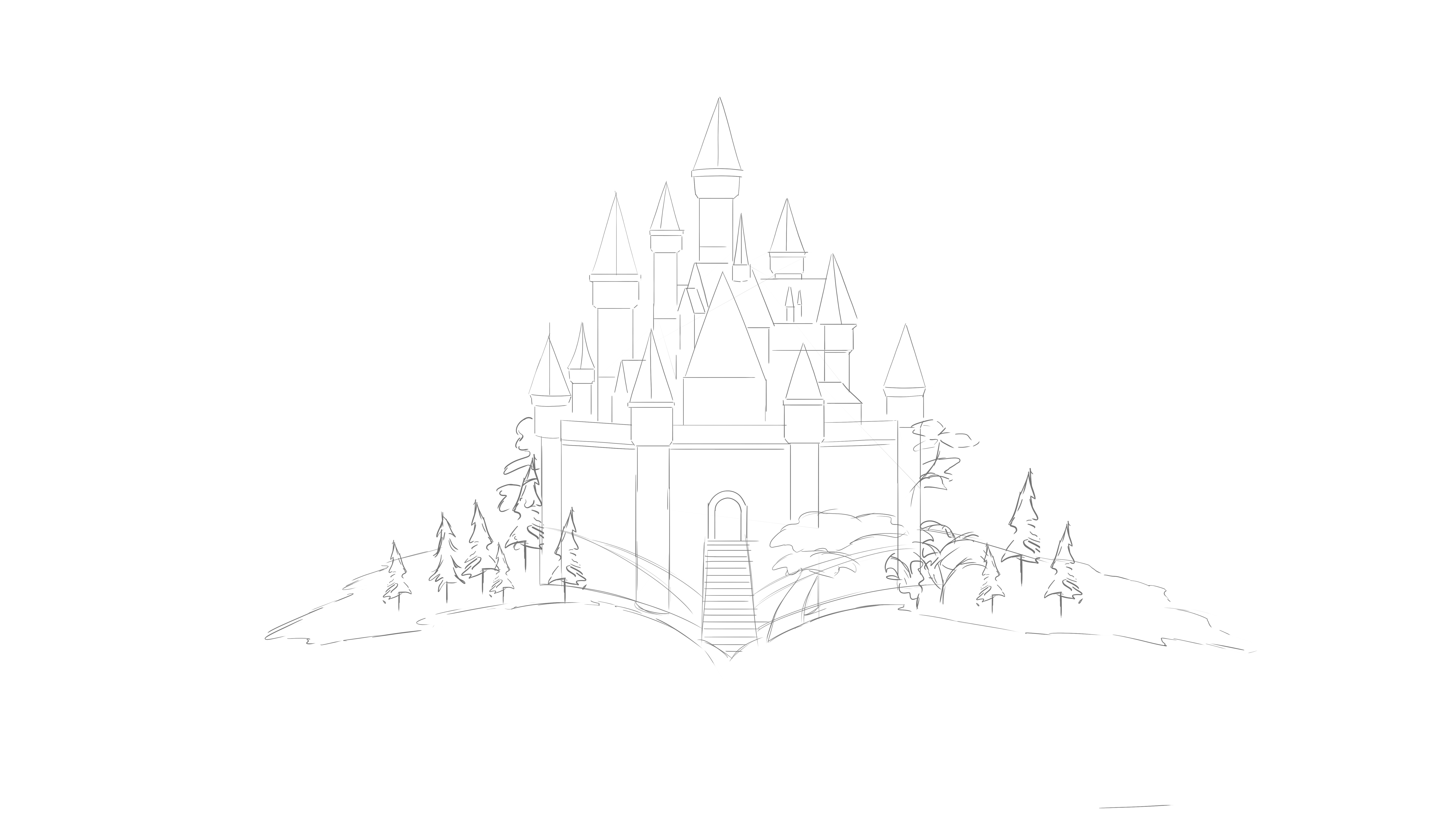
Pre-production is the planning phase of an animation project, covering script, storyboard, character design, design frames, and budget approval before any animation is produced.
Investing time in pre-production saves time and money later. It is cheaper to fix a storyboard than to re-animate a scene. At Myth Studio, a solid pre-production phase ensures everyone is aligned before the heavier stages of production begin. Learn more about what affects animation costs.
Related
Related concepts
Related services
Frequently asked questions
How long does pre-production usually take?
On a typical 60-90 second brand piece, pre-production runs three to five weeks: a week on script and concept, a week on storyboards, one to two weeks on design frames, and a final week for revisions and sign-off. Bigger broadcast jobs can run two to three months in pre-production. Faster timelines are possible but tend to compress review rounds.
What deliverables come out of pre-production?
An approved script, a storyboard, an animatic, character and environment design sheets, design frames showing the locked visual style, and a production schedule. On 3D jobs you also get a previs and an asset list. The point of these deliverables is that production can start with no open creative questions, only execution work.
Can we skip pre-production to save time?
We do not recommend it. Skipping pre-production tends to push problems into animation, where they cost five to ten times more to fix. If a deadline is tight, the cheaper move is to keep pre-production short but complete: small script, simple storyboard, one or two design frames, and clear sign-off, then move into production with a locked plan.
Sources (3)
Academic papers, recognised industry standards, and canonical industry texts that back up claims in this entry.
- Disney Animation: The Illusion of Life. Thomas, Johnston, Abbeville Press, 1981Supports: planning phase definition
- The Animator's Survival Kit. Williams, Faber & Faber, 2001Supports: cheaper to fix storyboard
- Computer Animation: Algorithms and Techniques. Parent, Springer, 2012Supports: pre-production pipeline