Animatics
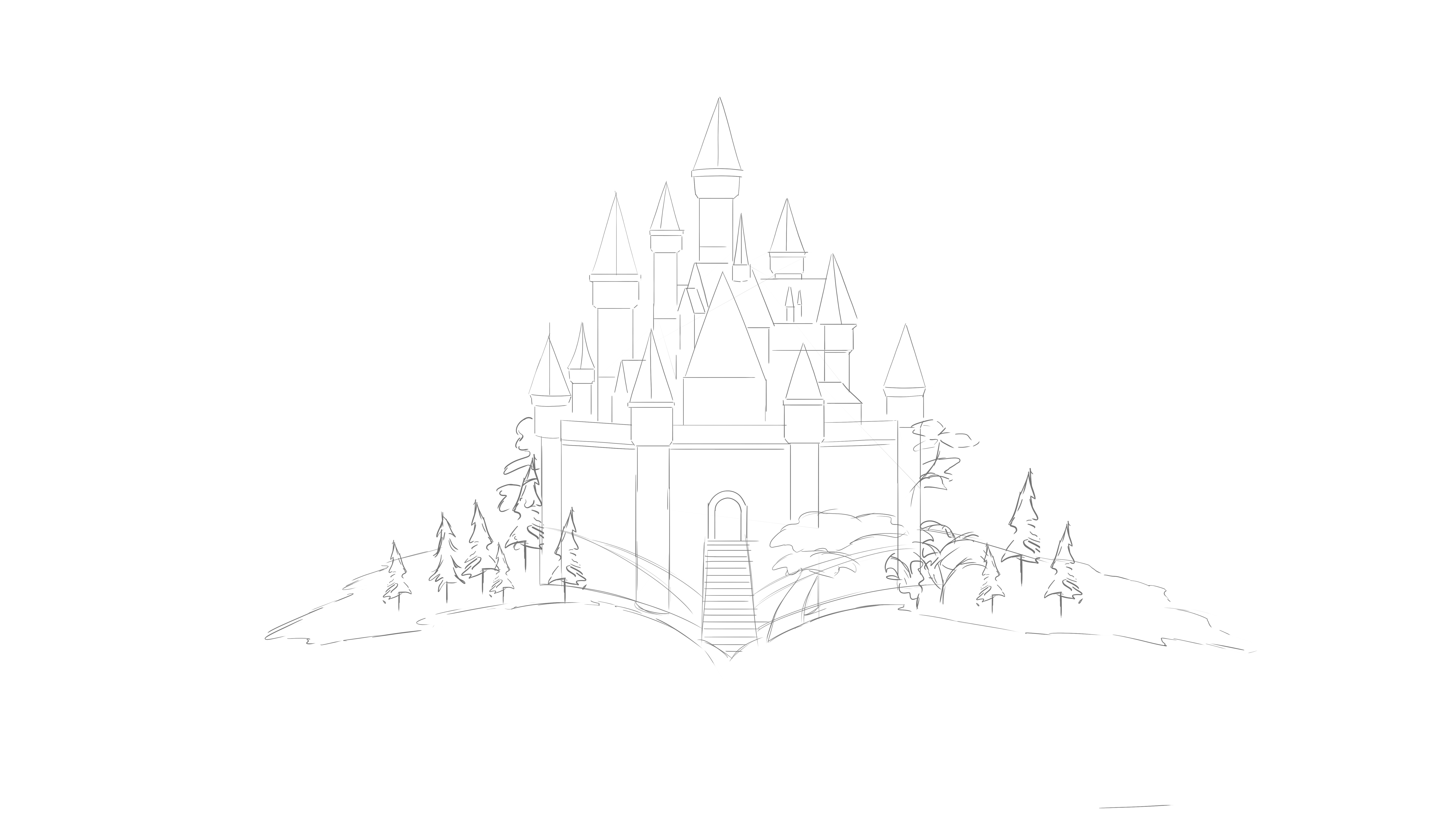
An animatic is a low-fidelity moving version of a storyboard, with panels placed on a timeline and synced to scratch audio, used to test pacing before animation begins.
Animatics are crucial for spotting issues early. They serve as a rough draft for the final film, giving clients a clear idea of how the narrative will unfold in time. Myth Studio uses animatics as a standard checkpoint in our advertising and TV production workflow.
Related
Related services
Frequently asked questions
What's the difference between a storyboard and an animatic?
A storyboard is a static set of panels showing the action of each shot. An animatic puts those panels on a timeline with rough timing and scratch audio so you can watch the story play out. Storyboards answer "what happens". Animatics answer "how long does it take and does it land". Most projects use both, in that order.
When in the process do we sign off the animatic?
Animatic sign-off usually happens at the end of pre-production, before any animation work begins. Locking the animatic locks the edit length, the shot count, and the rough timing of every beat. After sign-off, changes to story or pacing become much more expensive, because they ripple through every animated shot.
What's the difference between a hand-drawn animatic and an [AI animatic](/glossary/ai-animatics)?
A hand-drawn animatic uses rough sketched panels, fast and cheap, but low visual fidelity. An AI animatic uses image and video models to produce panels at near-broadcast quality in days. Hand-drawn animatics are still better for early creative exploration. AI animatics are better when you need to test a near-final look with stakeholders.
Sources (4)
Academic papers, recognised industry standards, and canonical industry texts that back up claims in this entry.
- The Animator's Survival Kit. Williams, R., Faber & Faber, 2001Supports: animatic as moving storyboard
- Disney Animation: The Illusion of Life. Thomas, F., Johnston, O., Abbeville Press, 1981Supports: animatic tests pacing timing
- Computer Animation: Algorithms and Techniques. Parent, R., Morgan Kaufmann, 2002Supports: animatics in production pipeline
- Timing for Animation. Hooks, E., Focal Press, 2005Supports: animatics spot pacing issues