Mixed-Media Animation
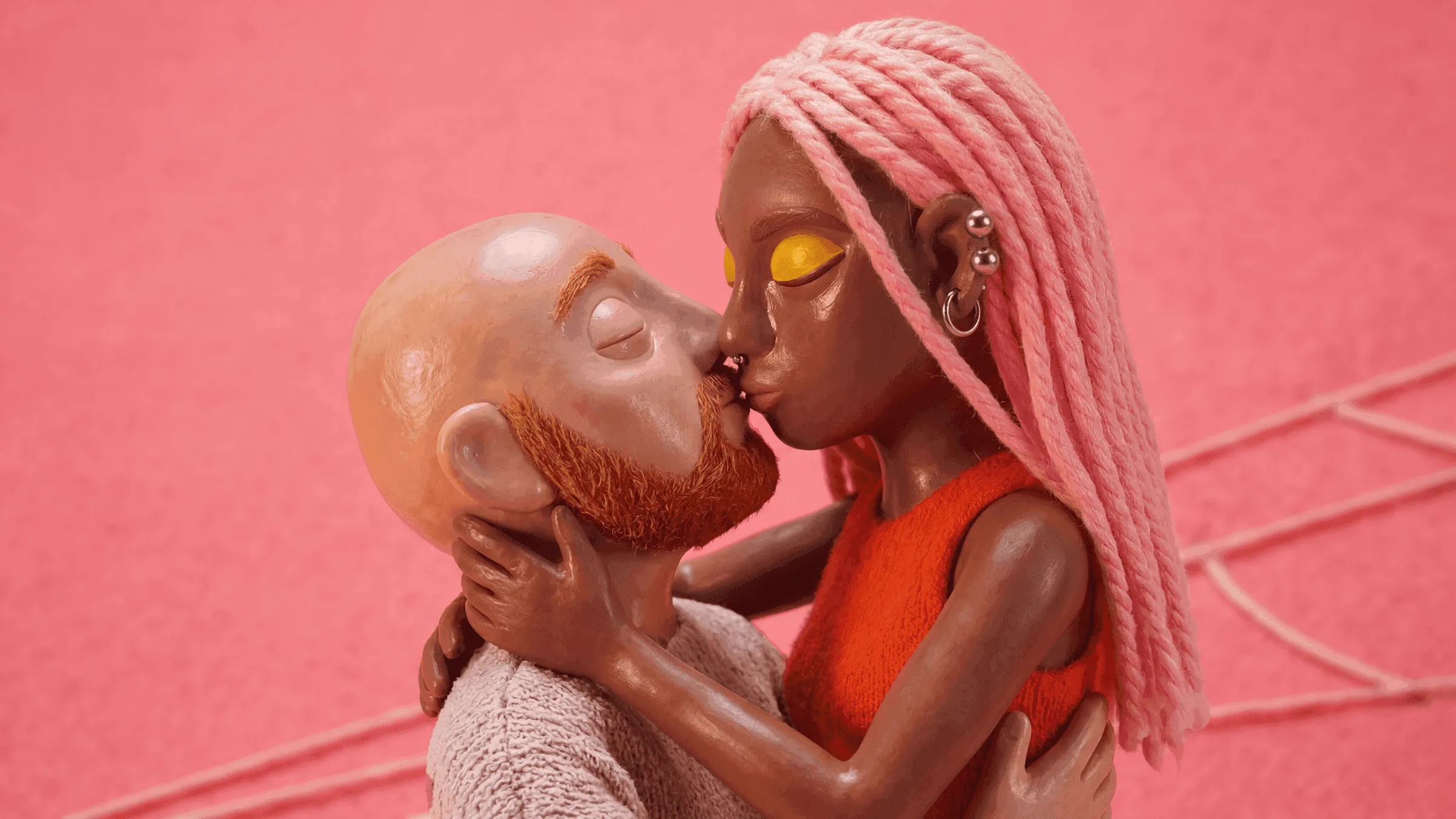
Mixed-media animation is the practice of combining two or more techniques in one piece, such as 2D over 3D, animation over live-action plates, or stop-motion with CG.
It allows for great creative freedom, breaking the rules of a single medium. Myth Studio regularly combines techniques across our service lines to create distinctive work for brands looking to appear modern, dynamic, and multifaceted.
Related
Related services
Frequently asked questions
Why combine 2D and 3D in one piece?
Each technique has different strengths. 3D handles consistent worlds, complex camera moves, and product detail well. 2D handles graphic energy, flat colour, and stylised character work well. Mixing them lets a film carry the strengths of both, often using 3D for environments and 2D for character or graphic overlays.
Is mixed-media animation more expensive?
It usually costs more than a single-technique film of the same length, because you are running two pipelines and need a compositor to integrate them. The premium is worth it when the visual idea genuinely needs both techniques. We do not recommend mixed media for cost reasons alone, only when it serves the creative.
What does the production process look like?
Pre-production is shared: one script, one storyboard, one set of design frames showing the combined look. Production then splits into parallel tracks per technique, with a shared shot list. Compositing brings the layers back together at the end. Tight production scheduling is what keeps the parallel tracks from drifting out of sync.
Sources (4)
Academic papers, recognised industry standards, and canonical industry texts that back up claims in this entry.
- Understanding Animation. Wells, P., Routledge, 1998Supports: Canonical scholarly text covering mixed-media and hybrid animation traditions
- An Investigation of Virtual Production Pipelines in the Development of a Mixed Media Animation Experience. et al., University of PortsmouthSupports: mixed-media techniques
- Workarounds in the Production of Contemporary Animation Series. Oakley, B.V., UAL Research Online, 2023Supports: production techniques
- The Animator's Survival Kit. Williams, R., Faber & Faber, 2001Supports: creative freedom