Design Frames
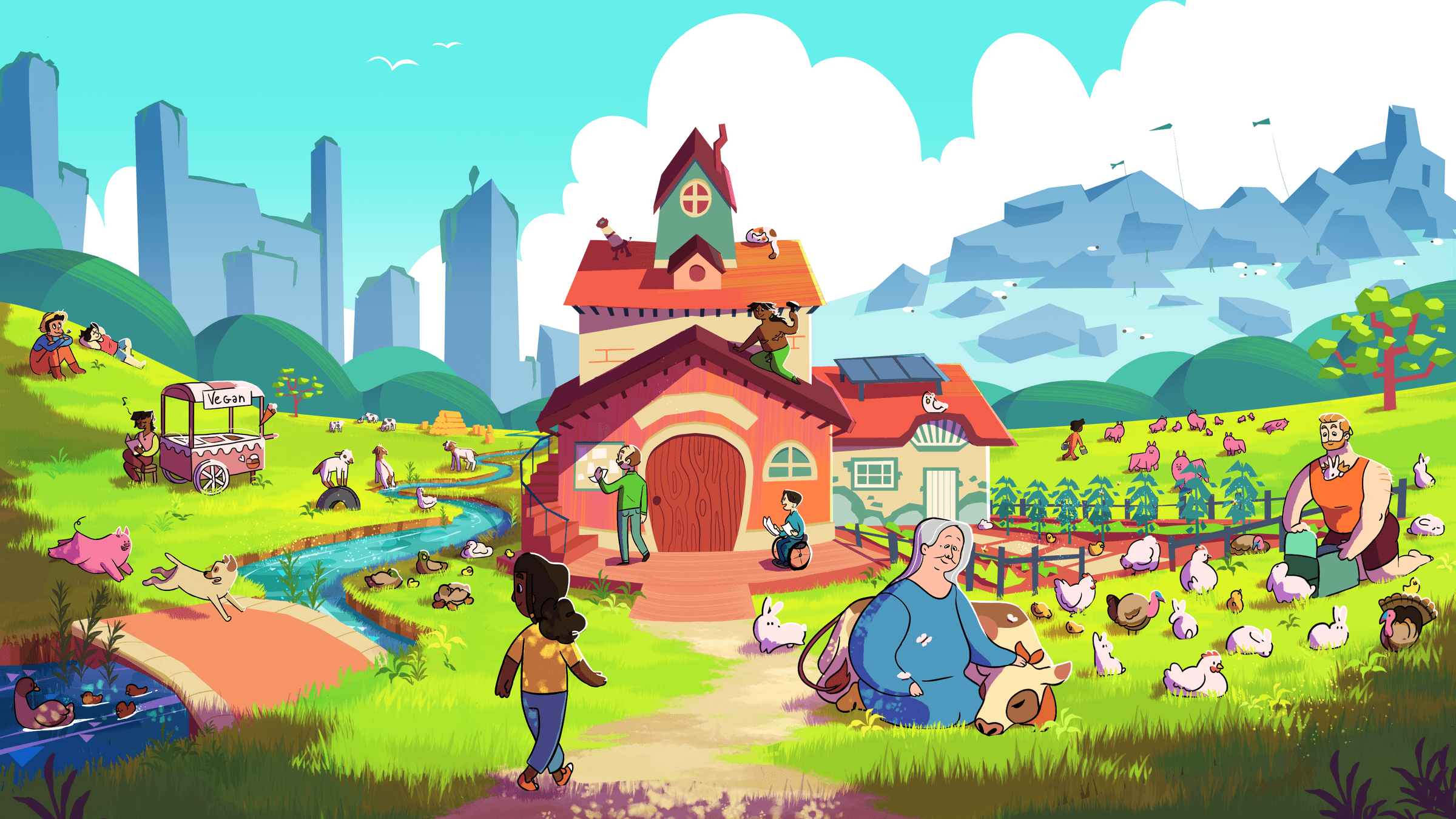
Design frames (also called styleframes) are polished single illustrations produced before animation begins, showing what a representative shot from the project will look like once rendered.
They are used to explore different aesthetic directions before committing to the time-intensive animation process. At Myth Studio, design frames are a core deliverable in our pre-production phase, giving clients full visibility before animation begins.
Related
Related concepts
Related services
Frequently asked questions
Why is a design frame more useful than a storyboard for visual sign-off?
A storyboard is a sketch: it shows action, not finished look. A design frame shows the final colour, line, lighting, and detail. Approving a design frame means the client has signed off on the visual style before production starts. Approving a storyboard means they have signed off on the story. Both are needed; they cover different decisions.
How many design frames are usually produced?
In our experience, three to five for a typical 60-90 second project, picked to cover the visual range: an opening shot, a peak moment, a quieter moment, an end shot. We do not design every shot in pre-production: that work is done in animation. Design frames are sample frames that prove the agreed style.
Can design frames be generated by AI?
AI image tools are useful inside the early visual exploration: generating moodboards and style options quickly. The actual locked design frames are usually painted or rendered by an artist, because they have to match a specific brand and translate cleanly into production. We treat AI generations as references inside our AI-assisted animation workflow, not as the final asset.
Sources (3)
Academic papers, recognised industry standards, and canonical industry texts that back up claims in this entry.
- Disney Animation: The Illusion of Life. Thomas, Johnston, Disney Editions, 1981Supports: Foundation for pre-production visual planning in animation
- The Animator's Survival Kit. Williams, Faber and Faber, 2001Supports: Aesthetic exploration before animation production begins
- Fundamentals of Computer Graphics. Marschner, Shirley, CRC Press, 2015Supports: Visual rendering and aesthetic direction in production pipeline