Art Direction
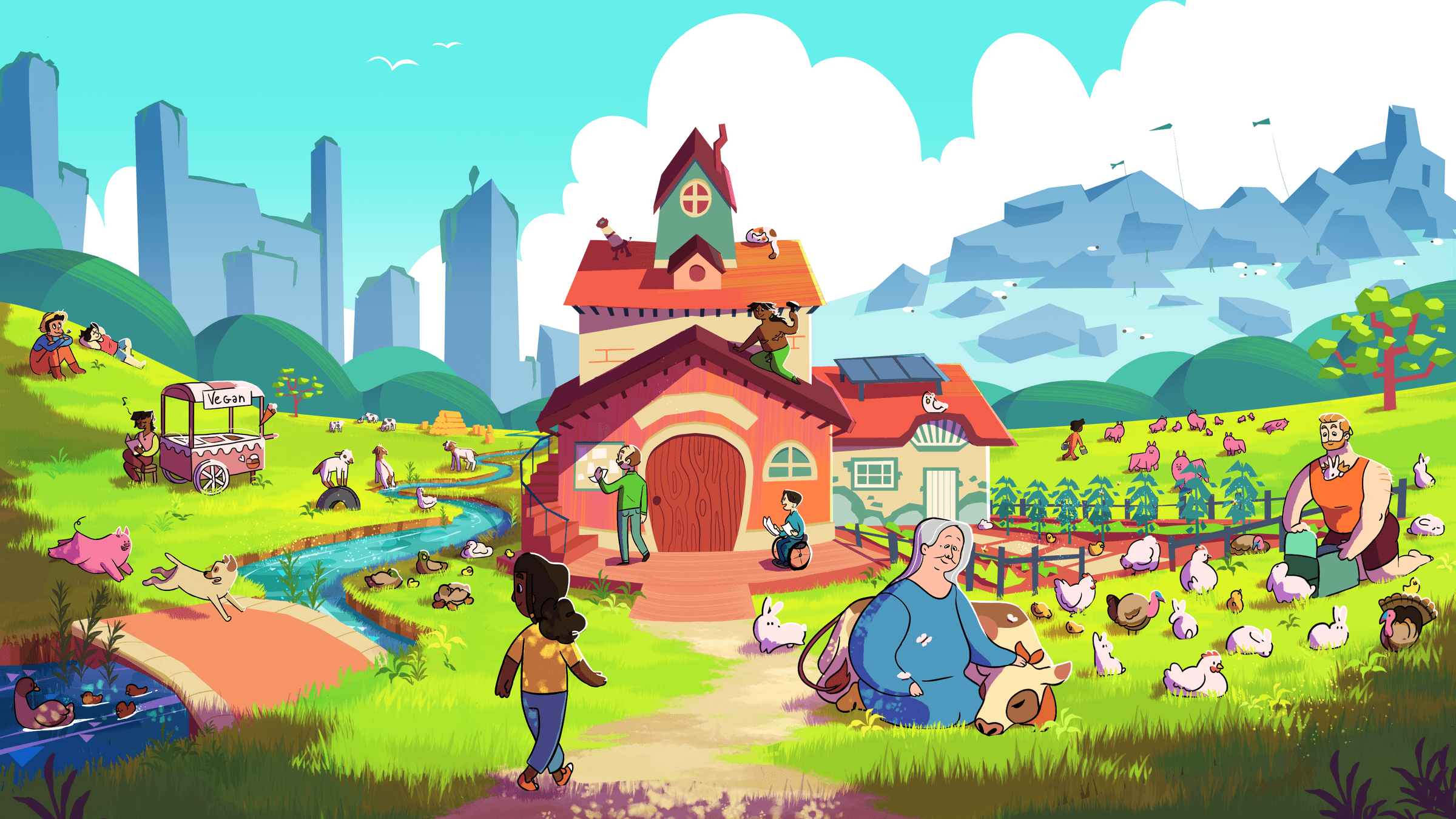
Art direction is the role of choosing and defending the visual style of a project, covering colour, composition, type, texture, and the look of every shot.
A strong art director ensures that the lighting, texture, and composition all work together to create a specific mood and aesthetic appeal. At Myth Studio, art direction shapes every project from styleframes through to final delivery.
Related
Related services
Frequently asked questions
What does an art director actually do day to day?
On a typical day an art director reviews work in progress (designs, frames, animation passes), gives notes against the agreed visual style, and pushes back on choices that drift from the bible. They also brief incoming artists, approve final designs, and sit alongside the creative director in client review. The role is part craft, part editor, part diplomat.
When is art direction locked on a project?
Art direction is locked when the design frames and the style bible are signed off, normally at the end of pre-production. After that, the look is fixed and production execution begins. Late changes to art direction are the single most expensive kind of change in animation, because they invalidate work already done in production.
How is art direction taught or developed?
Most art directors come up through illustration, design, or animation craft and grow into the role through repeated work on bigger projects. The skill is partly visual taste, partly clarity in giving notes, and partly knowing what is achievable in the time and budget. Junior artists start by leading the look on a single shot before owning a whole film.
Sources (4)
Academic papers, recognised industry standards, and canonical industry texts that back up claims in this entry.
- Sketch Animation: State-of-the-art Report. et al., arXiv, 2025Supports: animation production art direction
- Motion Painting: 'Abstract' Animation as an Art Form. Fischinger, Leonardo, 1986Supports: visual style in animation
- The Illusion of Life: Disney Animation. Thomas, Johnston, Walt Disney Productions, 1981Supports: visual style and composition
- The Animator's Survival Kit. Williams, Faber & Faber, 2001Supports: composition and visual appeal