Technique
3D animation studio in London
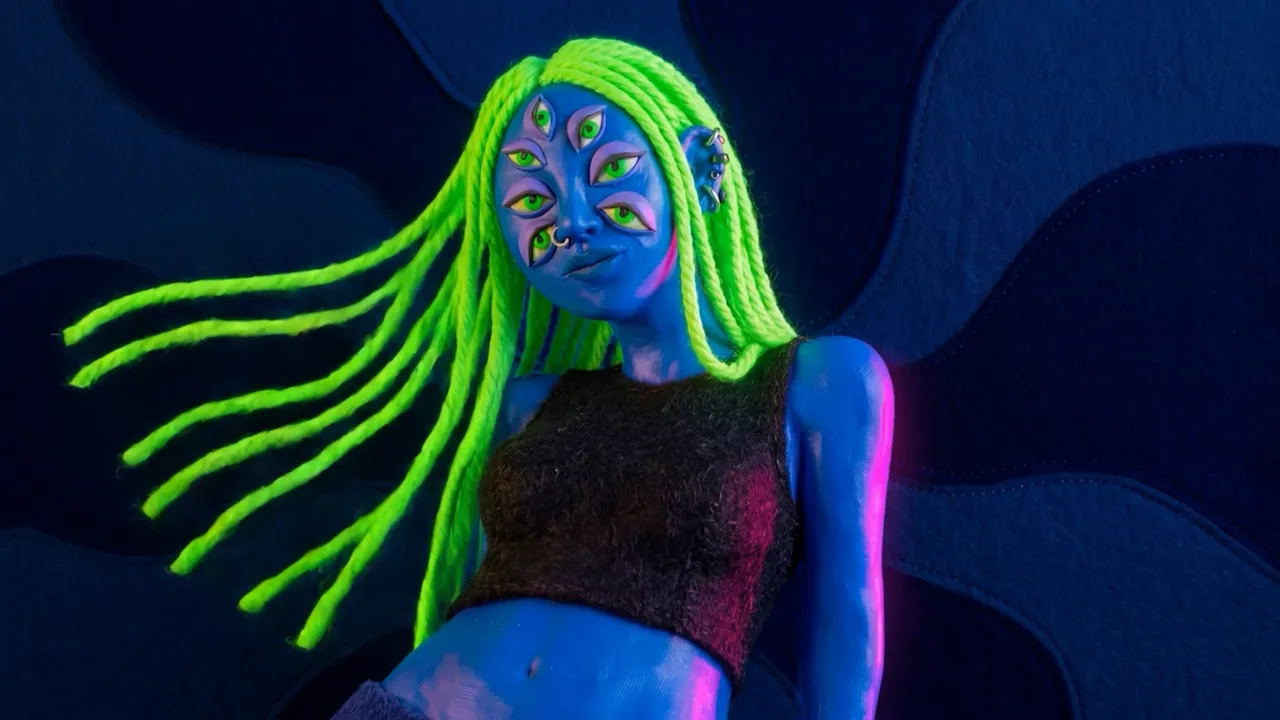
Myth is a London 3D animation studio making art-directed, stylised 3D for brands, agencies and broadcasters. Strong shapes, expressive motion and a visual language tailored to your brand, not photorealism for its own sake.
Trusted by










What we provide
Artistic, stylised 3D, not generic renders.
As an animation studio in London, we produce 3D animation across brand and product work, character animation, environments, explainers and social, art-directed and stylised rather than clinical.
We work in Cinema 4D and Octane alongside proprietary and AI-assisted workflows, and we mix 3D with 2D where it makes the work more distinctive, like our ITV Euro 2024 titles.
Start a project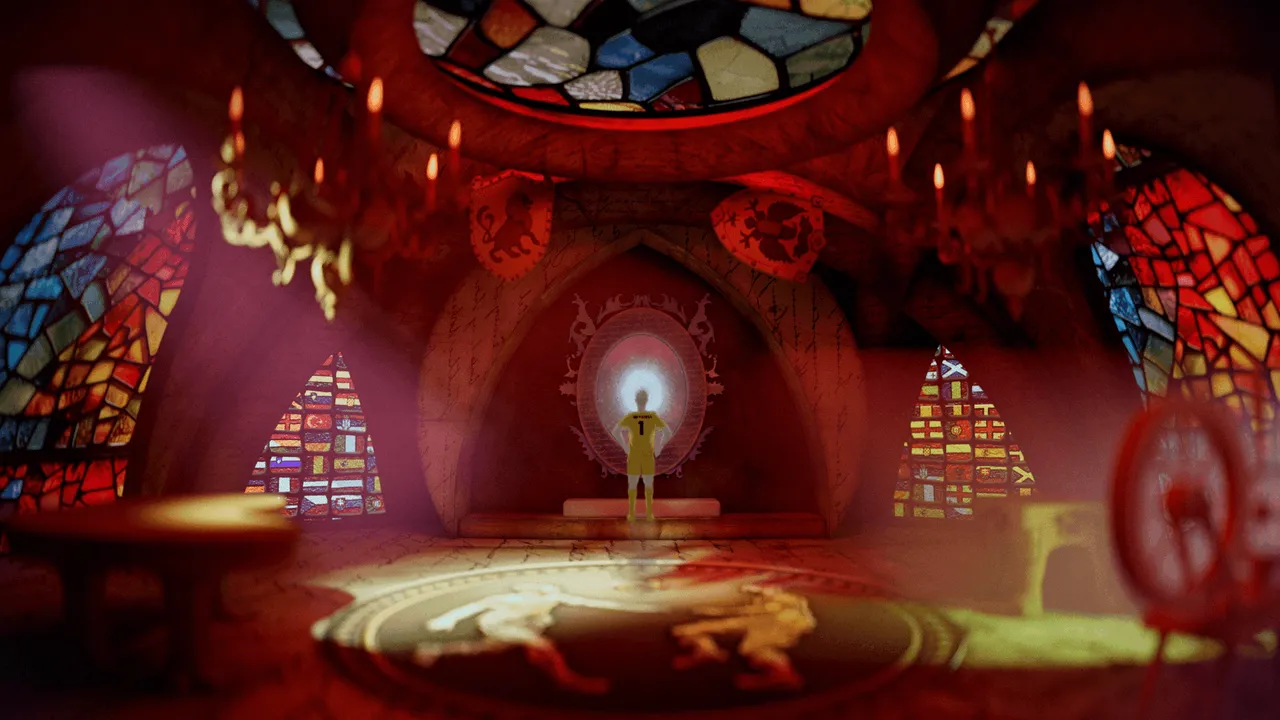 Project still
- Discipline
- Stylised 3D, CGI, faux stop motion
- Built for
- Brands, agencies, broadcast, events
- Deliverable
- Films, product, characters, environments
- Made in
- London, for clients worldwide
Definition
What is 3D animation?
Definition
What is 3D animation?
3D animation builds objects, characters and environments in a virtual three-dimensional space, allowing camera movement, lighting and depth that 2D cannot.
Myth treats 3D as one tool in a wider toolkit. We lead with art direction and craft, so the work has personality rather than the typical photorealistic product spin.
Read the full glossary entry on 3D Animation.
Sources (2)
Academic papers, recognised industry standards, and canonical industry texts that back up this definition.
- The Art of 3D Computer Animation and Effects (4th edition). Kerlow, Wiley, 2009Supports: the art and process of 3D computer animation
- Computer Animation: Algorithms and Techniques (3rd edition). Parent, Morgan Kaufmann, 2012Supports: the 3D modelling-to-render pipeline
How is 3D animation made?
3D animation builds models in a virtual space, then rigs, animates, lights and renders them, calculating how surfaces respond to light to produce each final frame, a pipeline grounded in computer graphics research.
Myth leads that pipeline with art direction, so the result has a designed look rather than a default render.
Sources (2)
Academic papers, recognised industry standards, and canonical industry texts that back up this definition.
- Computer Animation: Algorithms and Techniques (3rd edition). Parent, Morgan Kaufmann, 2012Supports: the 3D modelling-to-render pipeline
- Fundamentals of Computer Graphics (5th edition). Marschner, Shirley, CRC Press, 2021Supports: rendering surfaces under light
When is 3D animation the right choice over 2D?
3D suits work that needs real depth, camera movement, complex lighting or assets reused across many shots and angles. 2D suits flatter, more graphic or hand-drawn looks.
Myth advises on the right approach for each brief, and often blends the two.
Sources (2)
Academic papers, recognised industry standards, and canonical industry texts that back up this definition.
- The Art of 3D Computer Animation and Effects (4th edition). Kerlow, Wiley, 2009Supports: the strengths of 3D for form, light and camera
- Understanding Animation. Wells, Routledge, 1998Supports: the expressive trade-offs between approaches
What's included
From model to final render
Concept & design
We develop the idea and a bespoke 3D visual language, so the work has an identity of its own.
Modelling & look dev
Modelling, texturing and lighting tuned for a stylised, art-directed finish rather than a default render.
Animation
Expressive 3D animation with weight and timing, from product moves to character performance.
Render & post
Compositing, grading, sound and music for a cinematic finish, delivered in every format.
The decision
Product, character or environment?
Product & brand 3D
Stylised product and brand work for launches, e-commerce and campaigns, built to be reused across channels.
Character 3D
Dimensional characters with a performance, for mascots, films and worlds that need to scale.
Environments & worldbuilding
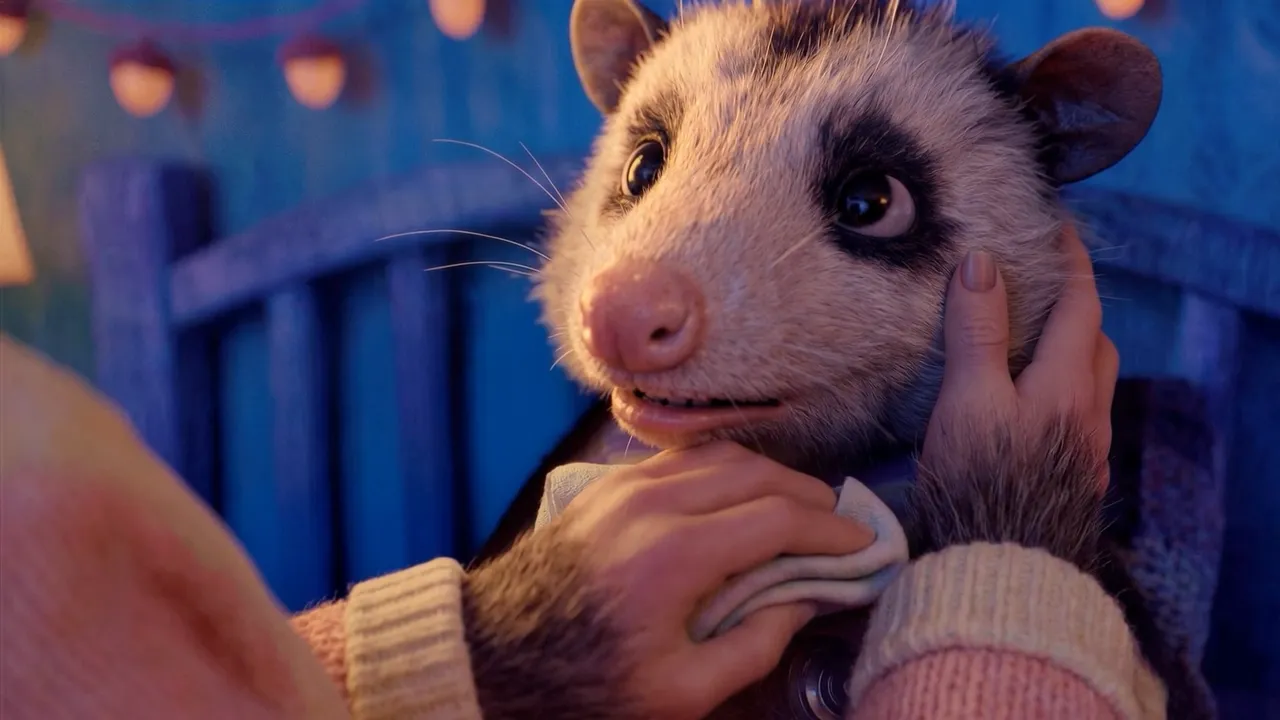
CGI environments and stylised worlds, including faux stop motion and paper-craft looks.
 Project still
Reuse
Assets that keep paying off
Once we have built your 3D assets they can be reused for stills, loops, cutdowns and social, which is what makes 3D a smart long-term investment.
- Brand & product 3D
- Character animation
- Environments
- Social & short-form
- Stills, loops & idents
- Events & broadcast
How we work
How we make your 3D animation
Discovery & brief
We clarify goals, references and scope, and agree the right level of detail for the budget.
Concept & design
We develop styleframes and lock the visual direction before production begins.
Storyboard & animatic
We lock pacing, camera moves and key transitions before committing to full 3D.
3D production
Modelling, texturing, rigging, animation and lighting, with work-in-progress checkpoints.
Render & delivery
Compositing, grade, sound and final assets in every format, plus stills and cutdowns.
Portfolio
3D animation in motion
Inchstones
Nestlé Compleat
2024 UEFA Euros
ITV
Timex
Pitch film
Tubies
Klick
What clients say
"The Myth team have become a key partner for us at Pepsi. They have supported how we glean insights on communications, in a more iterative way, enabling us to test and learn, with speed and agility. The Myth team are collaborative, efficient and effective, and I look forward to continuing the partnership."
Cathy Graham Kidd / Senior Marketing Director, Pepsi Global
FAQ
3D animation, answered
How much does 3D animation cost?
It depends on length, complexity and style. A 15-second product render sits at a very different price point to a two-minute narrative 3D film with character animation. We scope every project around runtime, detail level and timeline, and give you a clear, itemised quote upfront.
How long does 3D animation take?
Short, simple pieces can take a few weeks. Larger, more detailed films usually take six to twelve weeks depending on complexity, the number of assets and the approval process. 3D has more stages than 2D, including modelling, texturing, rigging, lighting and rendering, so the timeline reflects that.
What's the difference between 2D and 3D animation?
2D animation works in two dimensions with illustrated frames, so it feels more graphic and stylised. 3D builds objects and characters in a virtual three-dimensional space, allowing camera movement, realistic lighting and depth. Neither is inherently better. The right choice depends on your story, your audience and your brand, and we work across both.
Can you match our existing brand style in 3D?
Yes. We can translate your brand guidelines into a stylised 3D treatment or develop a new 3D visual language that feels like a natural extension of your identity. We reference your existing assets, colours and design principles throughout.
Can we reuse 3D assets across other channels?
Once we've built your 3D assets, including characters, products and environments, they can be reused for stills, loops, cutdowns, social, print and OOH. This makes 3D a smart long-term investment, as the initial build pays off across multiple uses.
What software do you use, and can you produce faux stop motion?
We primarily work with Cinema 4D and Octane, alongside supporting tools for texturing, compositing and post. Faux stop motion is one of our specialities: we use 3D tools to replicate the tactile, handmade feel of real stop motion, with the flexibility and control that 3D offers.

Start a 3D project
Let's chat.
Tell us about the piece, the audience and the channels it needs to work across, and we'll come back with a route, a rough timeline and a ballpark figure.
Myth Group
Myth Labs · AI AnimaticsRelated services