Pacing & Rhythm
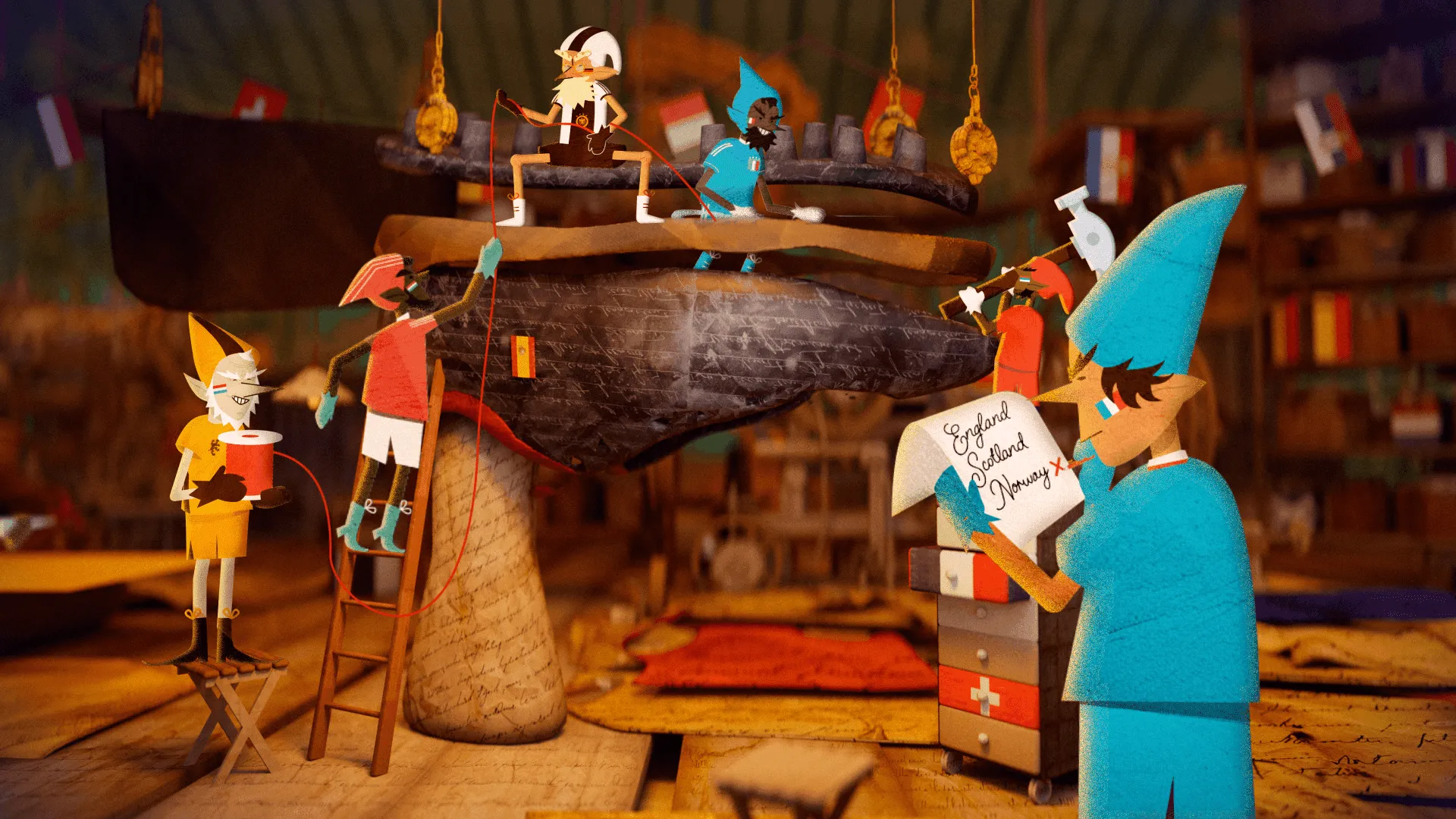
Pacing and rhythm in animation describe the overall speed of the story (pacing) and the moment-to-moment cadence of cuts and motion (rhythm), shaping audience attention.
It is established in the animatic and refined in the edit. It ensures the film does not drag or rush, but lands its emotional beats effectively. Learn more about timelines in how long does animation take.
Related
Related concepts
Related services
Frequently asked questions
Where is pacing decided?
Pacing is set in the animatic, where every shot has a length and the story plays out as a rough cut for the first time. Once the animatic is signed off, the edit is locked. Changing pacing after animation begins is expensive: you are re-cutting work that has already been animated to specific lengths.
What's the difference between pacing and rhythm?
Pacing is the macro: how the film moves overall, fast in act one, slow in act two, rising into act three. Rhythm is the micro: the cadence of cuts and motion within a scene. A film can have good pacing and bad rhythm (sluggish edits within an otherwise punchy structure), or the other way round. Both need attention.
How is AI changing pacing decisions?
AI is being used in editorial tools to suggest cut points based on action or audio peaks, useful as a starting reference. The story-level decisions (when a beat lands, where a pause sits) stay with the editor and director, because they depend on what the moment means. Inside our AI-assisted animation workflow these are reference tools.
Sources (3)
Academic papers, recognised industry standards, and canonical industry texts that back up claims in this entry.
- Well, it's about time!' Renewing the lost art of musical timing in animation. Mason et al., Journal of Qualitative Research in Sports StudiesSupports: timing pacing animation production
- The Animator's Survival Kit. Williams, R., Faber and Faber, 2001Supports: Canonical industry text on animation craft and timing
- The Illusion of Life: Disney Animation. Thomas, F., Johnston, O., Walt Disney Productions / Abbeville Press, 1981Supports: Foundational text on Disney animation principles and production craft