Synthetic Performance
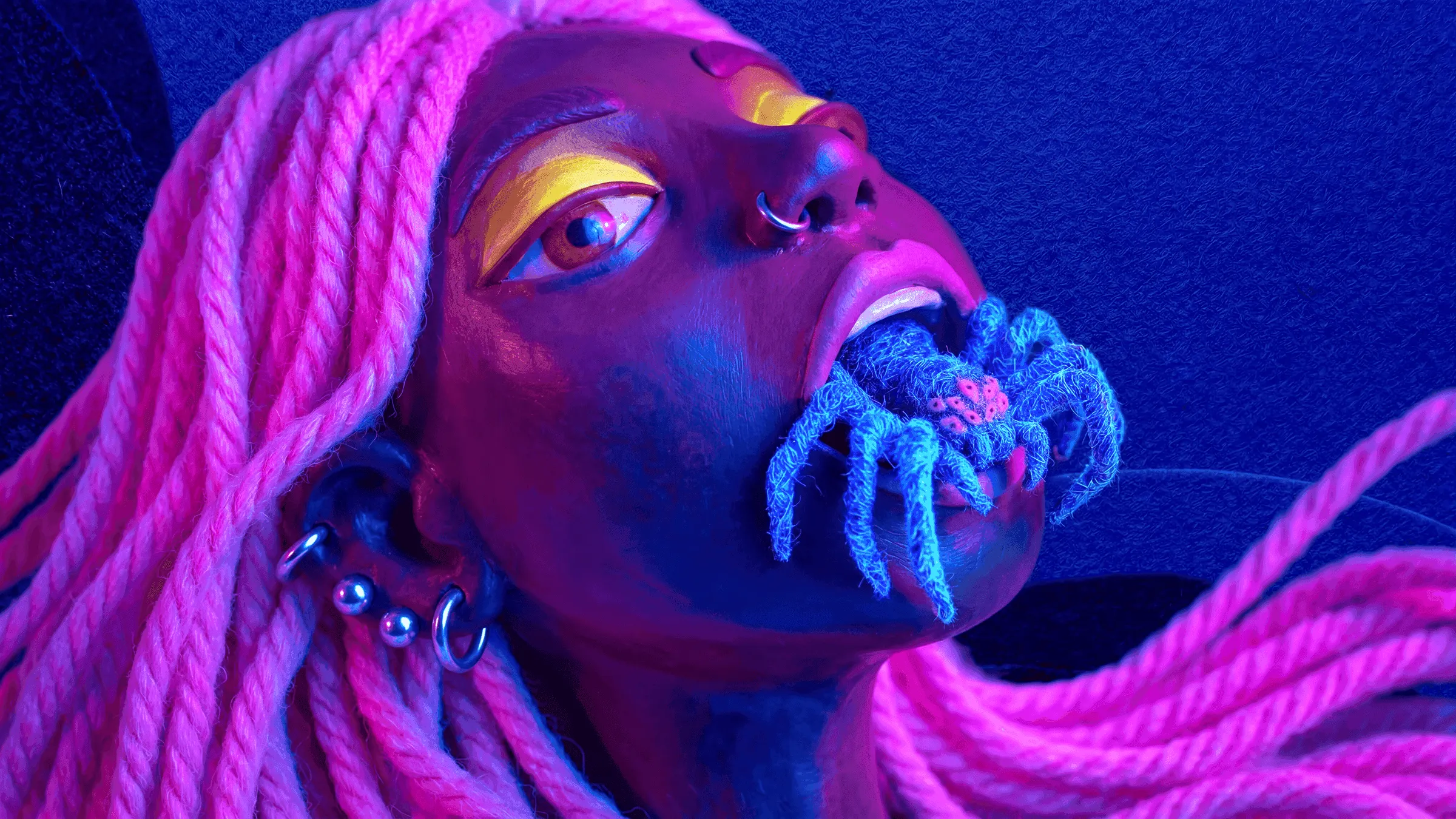
Synthetic performance is AI-generated character acting, including face, body, and voice, used in animation as reference for human animators or, in lower-stakes contexts, as final delivery.
The current state of the craft sits between two poles. At one end, AI-driven facial models can produce credible micro-expressions when fed a voice track, useful as reference for an animator or as final delivery for a background character. At the other end, full-body synthetic actors remain stiff, with hands and crowd interaction giving them away.
In our work, synthetic performance is used most often as reference. A model generates a take from a voice line; an animator watches it and uses the timing, beats, and emotional shape as a starting point for hand-keyed acting for animation. The final performance is human; the synthesis informs it.
Where synthetic performance is used as final, the bar is lower-stakes background characters, secondary roles, or quick turnaround content where a brief reads more important than a hero performance. On Inchstones and projects like it, the hero performances are hand-keyed; synthetic methods sit further from camera.
Myth Labs tracks the state of synthetic performance closely and applies it where the brief warrants it, never as a default.
Related
Related concepts
Related services
Frequently asked questions
Are synthetic actors replacing animators?
Not in any work we ship. Synthetic performance is reference or background; hero performance is human. The skill of acting for animation is the difference between a film that lands and one that does not. AI does not replace it; it sometimes accelerates the planning around it.
What about voice synthesis?
Voice synthesis is more mature than facial or body synthesis. We use it routinely for video localisation and for placeholder voice during animatic stages. For hero performance, real performers remain the choice on most projects.
Are there ethical considerations?
Yes, and they are taken seriously. Voice and face cloning rights, performer consent, and union agreements all matter. We track the contract and licence position project by project. Where doubt exists, we use a real performer.
Sources (2)
Academic papers, recognised industry standards, and canonical industry texts that back up claims in this entry.
- Adaptive Interpolation-Synthesis for Motion In-Betweening on Keyframe-Based Animation. Wang et al., arXiv, 2026Supports: AI motion synthesis in production
- Artist-in-the-Loop AI Animation: Real-Time Control and Synthesis. Mahler et al., ACM SIGGRAPH, 2024Supports: AI-assisted motion in professional animation