How Artists Can Use AI Without Losing the Craft
Written by James Finlay
Creative Technologist and Founder of Myth Studio
The AI sloppification of content has done a good job of obscuring the fact that AI can be genuinely useful for artists, if used in the right ways. Seeing an avalanche of AI-produced content pouring onto feeds, somehow looking scarily good and nightmarishly uncanny at the same time, it is completely understandable that many artists choose to reject AI outright as a kneejerk reaction.
But behind the slopalanche, many artists and animation studios are quietly finding ways to use AI that improve their output while retaining the craft.
The key is to stop assuming that all AI use looks like the plastic, trope-laden output of someone prompting Midjourney and posting the result straight to Instagram. It also goes further than using ChatGPT to write your captions. The real unlock is subtler than either of those, and it starts with understanding what makes creative work feel like creative work in the first place.
The Process Is the Point
The most important principle when using AI in creative production is this: you should still be working in a way that feels natural for an artist or a team of artists.
Consider what this is not. Using AI-generated images as the basis for AI-generated video. Prompting images is not a natural way to work. Sketching and painting is. The AI-image-to-video pipeline also tends to favour a single person working alone, which strips out the layers of collaboration that are usually baked into any serious production. On a stop motion shoot or a feature film set, dozens of people contribute their expertise at every stage. Each pair of eyes, each set of hands, each round of feedback makes the thing better. When you reduce that to one person typing prompts, something essential is lost.
A common misconception about AI video in general is that you need to start with AI-generated images. In my experience, AI images skip the necessary steps an artist usually goes through to realise their vision. You are jumping straight to the end, cutting off the feedback loop between the artist and the work, between the artist and their collaborators, between the artist's eye and the slow, generative act of making something by hand.
Where the Real Unlock Lives
For certain styles of animation, it can be genuinely transformative to render characters and environments at high resolution using traditional 3D tools, then animate them with an AI video model. The reason is practical: 3D character rigging is technically demanding, especially when you are dealing with complex surfaces like fur. The AI handles the motion while the artists handle everything else.
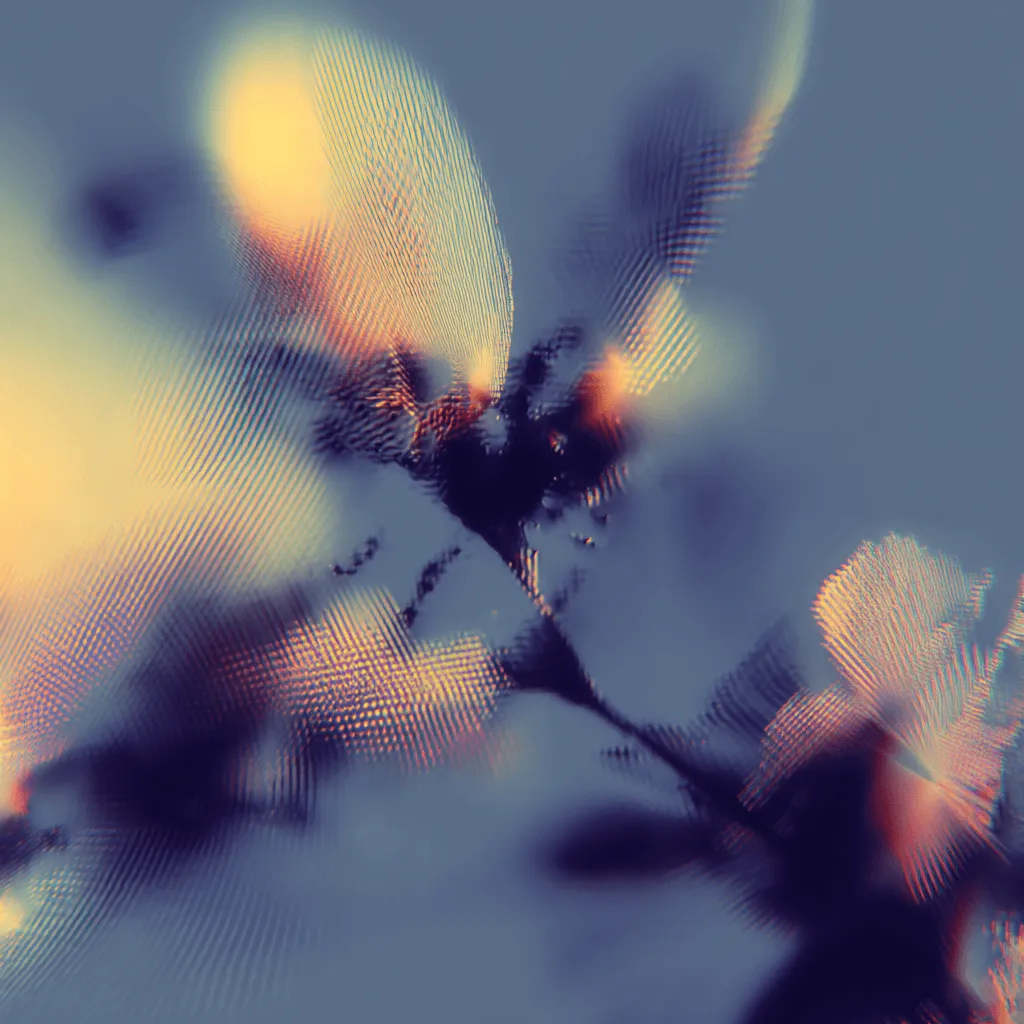
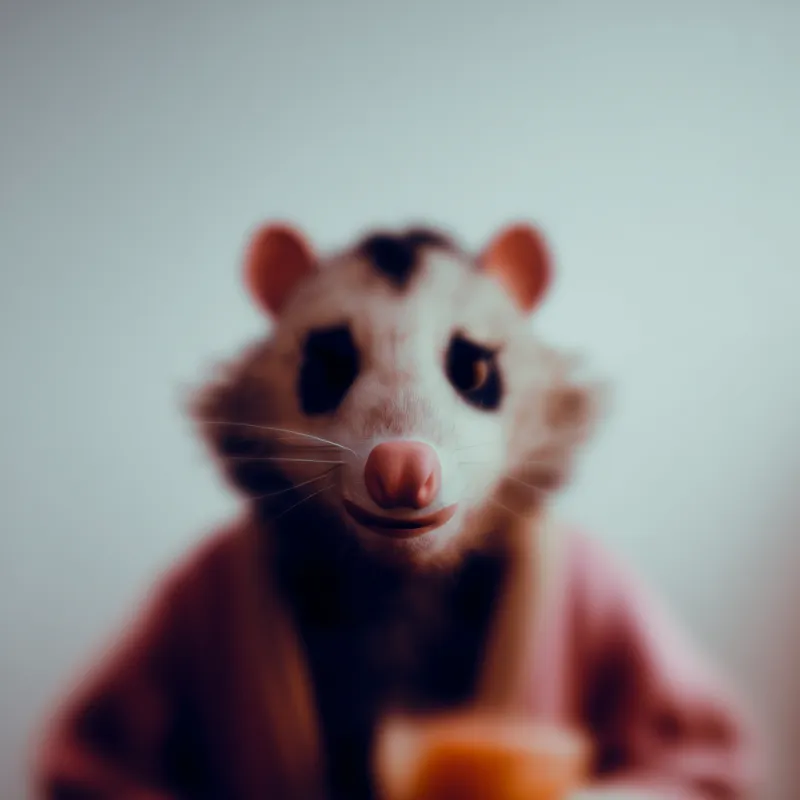
Myth Studio's work on the Nestle Compleat project is a good example of what this looks like in practice. The TV commercial was created with an entirely traditional process up to the point of animation. It started with hand-drawn storyboards and concept art. An almost impressionist colour script captured the mood and palette. The team modelled detailed 3D environments, placing every prop and texturing every surface. The mother and daughter possum characters were modelled in 3D. We then created high-resolution renders of each scene and animated them with AI video models.
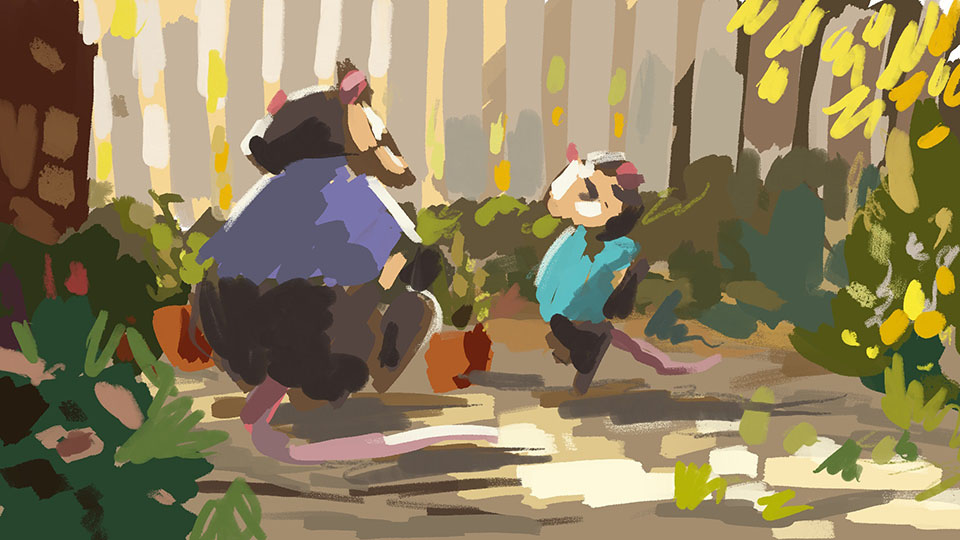
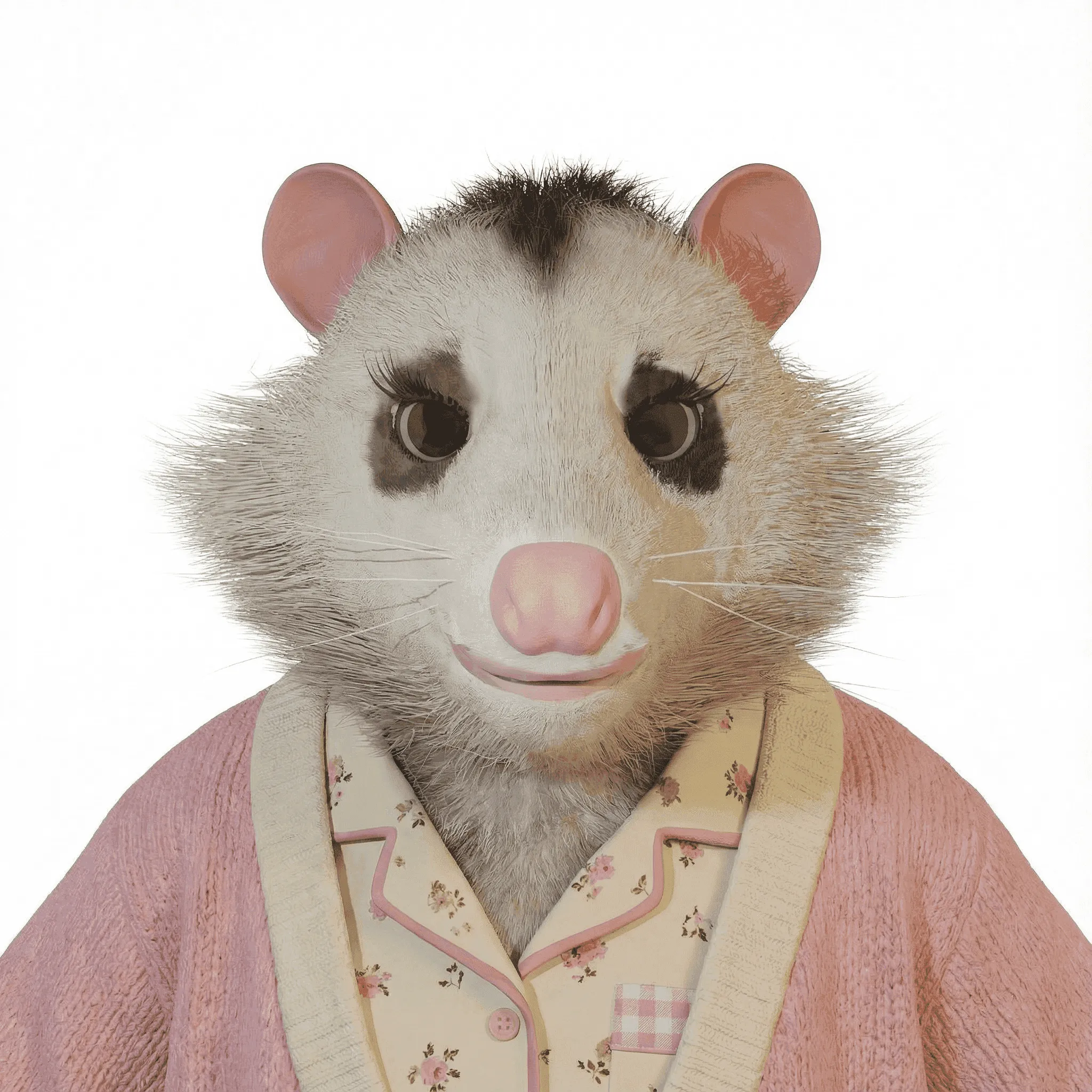
From the Inchstones production: colour script, 3D environment, and character model, all created by hand before AI animation.
So if the animation is ultimately handled by AI, why go through the painstaking work of creating every preliminary step by hand?
Because that is how a team makes art.
Drawing and painting remain the best way to get creative ideas out of your head and into the world. Building a 3D environment is like constructing a film set. The artist can move a camera around to find the right angle. Play with focal lengths. Adjust bloom and lighting. This iterative feedback between the artist's eye and the emerging work is precisely the thing that gets cauterised when you skip the process. It is also what separates considered production from AI slop. On the Compleat project, we had a large, multidisciplined team, each contributing their specific skills, guided by a strong creative direction.
And what of the AI video part itself? Interestingly, when you reduce AI's role to animating high-quality assets rather than generating everything from scratch, the work becomes something closer to directing. The right AI-animator, someone with strong taste and a considered system for prompting, can coax remarkable performances from rendered characters. The generated performances are a little unruly by nature, but when tamed and carefully selected, they can work very well for the right project.
Other Ways Artists Are Using AI
Reference gathering
The simplest and most widely useful application. If you are working to a specific style, AI image generators can produce reference material quickly, giving you a visual starting point from which to sketch. Midjourney is the strongest tool here, as it generates images fast and has a degree of built-in visual creativity. The outputs tend to look fairly generic straight from the model, which is precisely why reference gathering is the right use case. Use it to inform the image you will make yourself.
Vibe coding
As code increasingly intersects with the creative world, artists now have the opportunity to move in the other direction. Vibe coding (building software through natural language prompts rather than traditional programming) may be the most underappreciated creative frontier right now. The possibilities deserve their own article, but the core idea is simple: artists can build their own tools. Custom interfaces, procedural generators, bespoke workflows. If the principle is to find ways of working that feel natural, then giving artists the ability to shape the tools they work with is a powerful extension of that idea.
AI as a creative prompt for humans
This is one of my favourite uses. Rather than asking AI to produce the work, you use it as a brainstorming companion. Start with the art movements, themes, or historical periods that influence your thinking, then ask the AI to branch outward from there. It can surface related movements you had not considered, obscure historical eras worth exploring, unexpected thematic connections. You sift through the suggestions, pick out what resonates, and go deeper on your own terms. It is a surprisingly effective way to break through creative blocks without handing over any of the actual creative decision-making.
The Through Line
Every useful application of AI in creative work shares the same underlying principle: the artist is still working in a way that feels natural and collaborative. The AI brings speed and occasionally a lateral perspective, but the creative decisions, the taste, the craft, those remain human. The moment the tool starts replacing the process rather than augmenting it, you are back in slop territory.
The slopalanche is not going away. But for artists and studios willing to look past it, there are real, considered ways to bring these tools into the work without losing what makes the work worth doing in the first place. For a broader look at the question, see Will Animation Be Replaced by AI?
Key Takeaways
- The key principle: artists should still be working in a way that feels natural. AI should augment the process, not replace it.
- Starting with AI-generated images skips the essential feedback loop between artist and work. Sketching, painting, and modelling by hand remain critical.
- For certain animation styles, rendering 3D assets traditionally and animating with AI can cut production time dramatically while preserving craft.
- AI is most useful for reference gathering, brainstorming, and building custom tools, not for replacing the creative decisions themselves.
- What separates considered AI use from slop is collaboration, creative direction, and a team of skilled people guiding every stage.