Previsualisation (Previs)
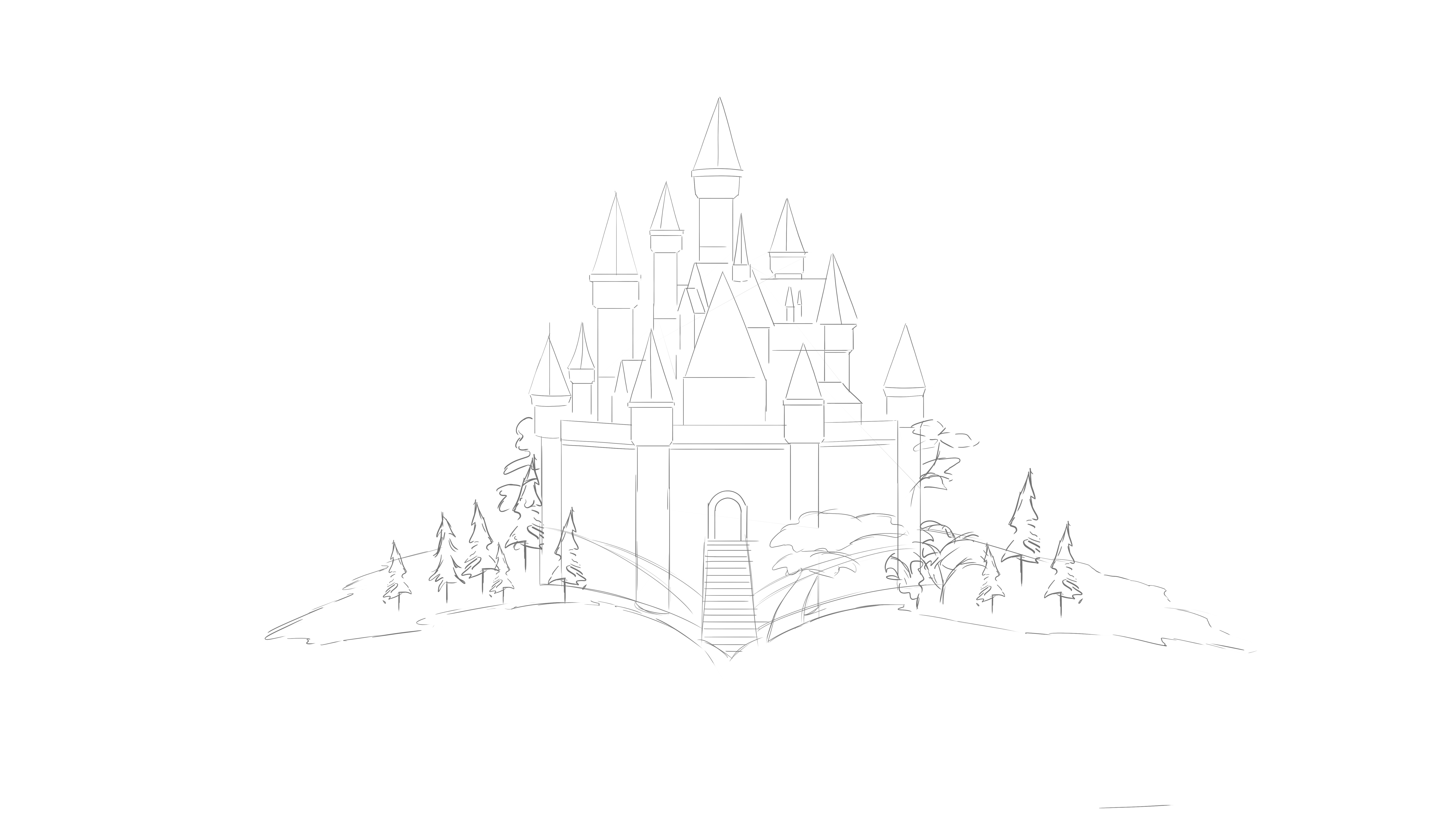
Previsualisation (previs) is a rough 3D blockout of a shot or sequence, using simple models and a virtual camera, made to plan blocking and cinematography before final assets exist.
It is essential for planning VFX-heavy shots or complex sequences, ensuring the technical setup works before production begins. Previs saves significant time and cost on larger projects.
Related
Related concepts
Related services
Frequently asked questions
How is previs different from an animatic?
An animatic is 2D: storyboard panels on a timeline. Previs is 3D: low-poly models in a virtual scene with a real virtual camera. Animatics are cheaper and faster, fine for most short-form work. Previs is needed when the camera moves through the scene in a way that cannot be planned on a flat panel, common on VFX or action sequences.
When is previs worth doing?
On any shot where the camera moves significantly through the environment, on multi-character action, on VFX-heavy sequences, and on anything that combines live-action and CG. Skipping previs on these shots tends to push problems into final production. On simpler shots, an animatic is enough and previs would be overkill for the budget.
How is AI changing previs?
Generative AI is starting to produce previs-quality video clips from text and reference, useful for very early exploration. Studios still rely on traditional 3D previs for production planning because the camera, asset, and shot data have to flow into the actual production pipeline. Our AI-assisted animation workflow uses both, with traditional previs for production-critical work.
Sources (4)
Academic papers, recognised industry standards, and canonical industry texts that back up claims in this entry.
- The Illusion of Life: Disney Animation. Thomas, Johnston, Disney Editions, 1981Supports: Foundational animation planning and blocking principles
- Fundamentals of Computer Graphics. Marschner, Shirley, CRC Press, 2015Supports: Virtual camera systems and 3D visualization
- The Animator's Survival Kit. Williams, Faber and Faber, 2001Supports: Blocking cinematography planning before production
- Computer Animation: Algorithms and Techniques. Parent, Morgan Kaufmann, 2012Supports: 3D blockout rough animation technical workflow