Match Move
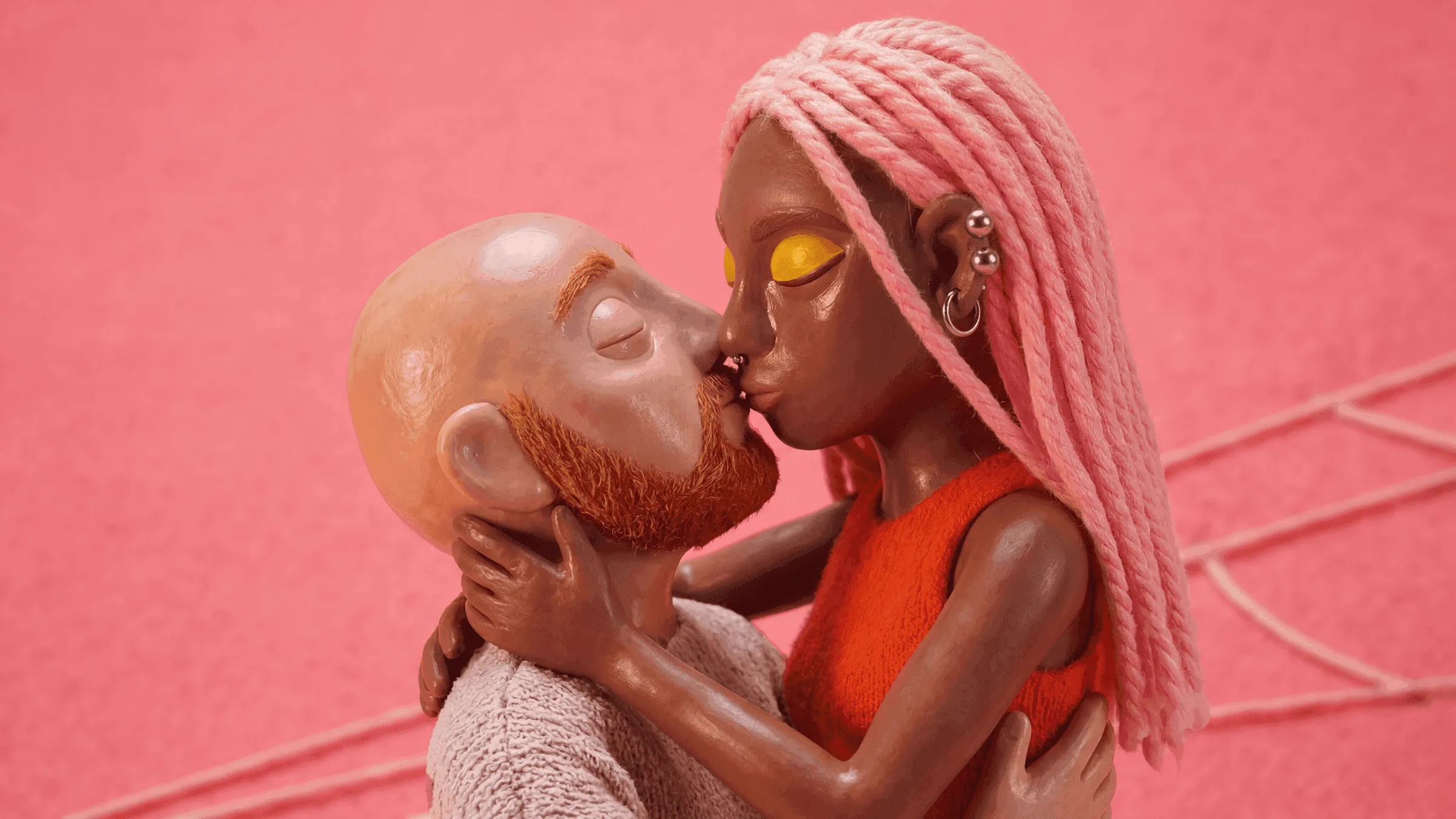
Match move is the specific discipline of recovering the camera motion of a piece of live-action footage, so that 3D-animated elements can be inserted into the shot in a way that matches the original camera move precisely.
Match move is a sub-discipline of motion tracking, focused specifically on the camera. The output is a virtual 3D camera that mirrors the real camera's position, rotation, and lens characteristics frame by frame. With this virtual camera, 3D elements added to the shot move with the original camera in a way that is visually indistinguishable from elements that were physically present.
The work is exacting. Even sub-pixel error in the camera track produces visible drift in the 3D additions, which the eye reads as wrong even when it cannot identify why. Production match move is usually done by specialists who refine an automatic track manually shot by shot.
Lens distortion, focus pulls, and rolling shutter all complicate match move. Modern software handles these corrections automatically in many cases, but tricky shots still need a human eye on the track. The result, when it works, is a 3D addition that sits on the live plate as if it were always there.
On hybrid AI projects like LEGS, match move applies even within the AI-driven pipeline: AI-generated camera moves can be exported as virtual cameras and used to drive 3D elements that need to integrate with the AI footage.
Related
Related concepts
Related services
Frequently asked questions
Is match move done in-house?
On simpler shots, yes. For complex matchmove on hero shots, we sometimes work with specialist matchmove studios who do this work full-time. The cost of a bad track at finishing far exceeds the cost of a strong track up front.
What about cameras with motion data?
Modern cinema cameras and many drones can record their own position and rotation, which gives matchmove a head start. The recorded data still needs verification against the footage (cameras drift, sensors are imperfect), but it dramatically reduces the manual track work required.
Is matchmove relevant for fully animated work?
Less so within a single fully animated shot, but yes for any work that combines animated elements with live reference footage, including studio plates, location video, or AI-generated reference. The principle is the same wherever 3D elements need to integrate with existing motion.
Sources (2)
Academic papers, recognised industry standards, and canonical industry texts that back up claims in this entry.
- Camera Matching and its Application to Augmented Reality. Lowe, CVPR, 1999Supports: definition of match move
- Multiple View Geometry in Computer Vision. Hartley, R., Zisserman, A., Cambridge University Press, 2003Supports: Canonical text on the camera-tracking mathematics behind match-move